Last updated:
$1.3T Brazil plan: climate-proof infrastructure, cut disaster losses, create 280M jobs by 2030
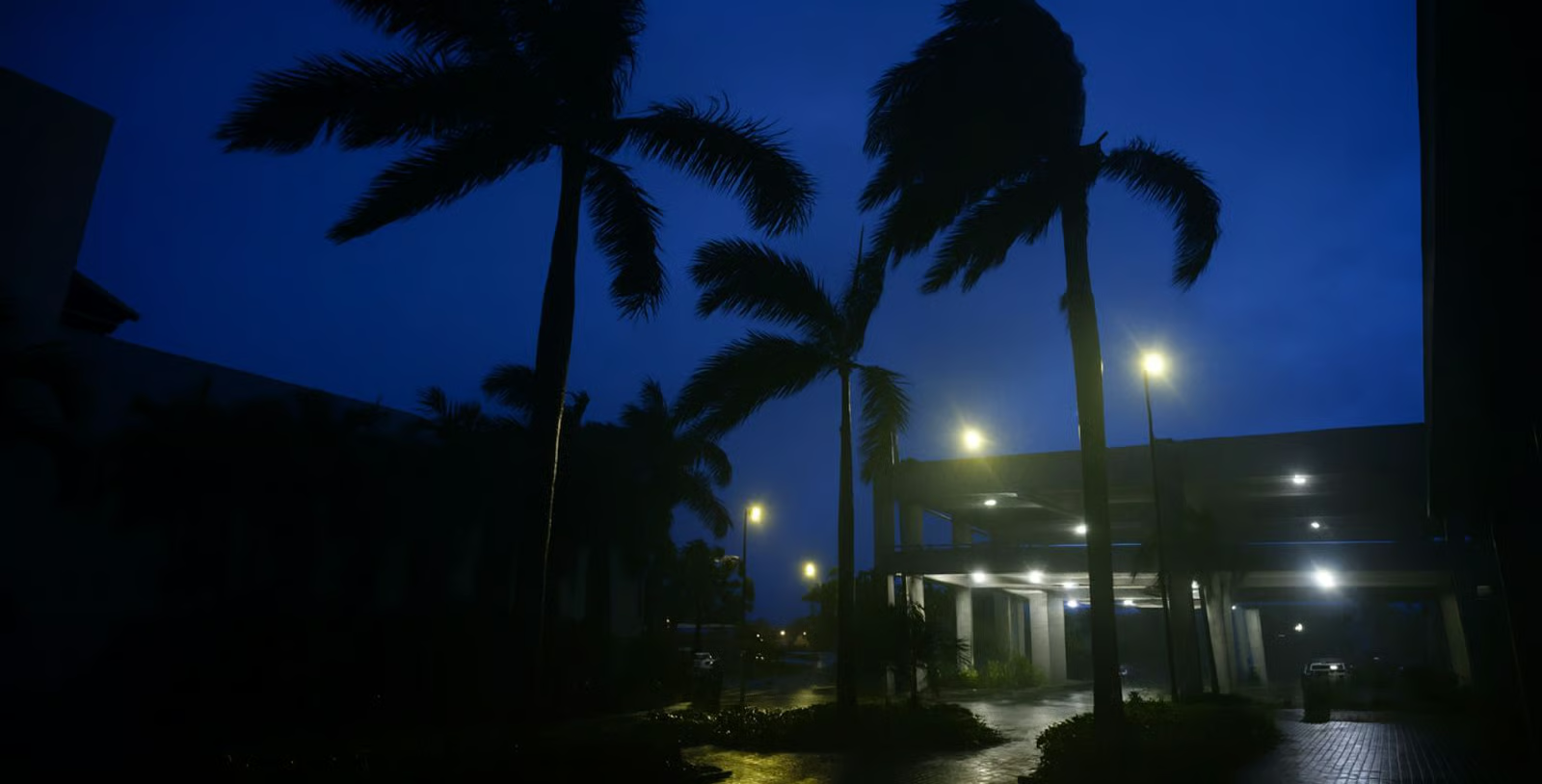
Brazil announces a comprehensive $1.3 trillion climate adaptation and infrastructure plan aimed at building resilience, reducing disaster losses, and creating millions of jobs.
Brazil is trying to move climate adaptation from charity to cash flow. Tied to its COP30 agenda, officials are pitching a simple ROI: spend $1 to climate-proof infrastructure and reap ≥4× in benefits, precisely the math long-horizon investors want as heat, floods and storms hit balance sheets now, not in 2050. The proposal's scale, $1.3 trillion by 2030 and ~280 million jobs across developing economies, puts adaptation in the same league as mainstream infrastructure asset classes.
Brazil's team is leaning on new analysis framing resilience as an investable market, not a cost center: front-load spending into roads, water systems, health facilities and nature-based defenses; cut disaster losses; and standardize "pay-for-resilience" metrics to crowd in private capital. In practical terms, that means availability payments tied to uptime during extreme weather, resilience performance bonds, and MDB de-risking so pension money can scale beyond pilots. The near-term catalyst is a sobering health ledger: heat-related mortality has risen 23% since the 1990s to an average 546,000 deaths/year (2012-2021), underscoring why avoided-loss math belongs in fiscal policy and term sheets alike.
Mitigation hogs the headlines; adaptation empties the treasuries when roads wash out and hospitals overheat. Brazil's COP30 play is to codify resilience cash flows: KPIs regulators and investors can audit, so adaptation budgets stop being one-off grants and start behaving like infrastructure with measurable returns. That shift also answers insurers and sovereign debt managers already repricing physical risk.
If Brazil makes those ≥4× benefits verifiable, adaptation could move from sidecar philanthropy to core allocations, unlocking a $1.3 trillion pipeline that hardens critical infrastructure and lowers disaster bills while supporting ~280 million jobs in the Global South. For investors: follow the avoided-loss math, not the slogans.