Last updated:
EU targets Russia's shadow fleet, citing major environmental dangers
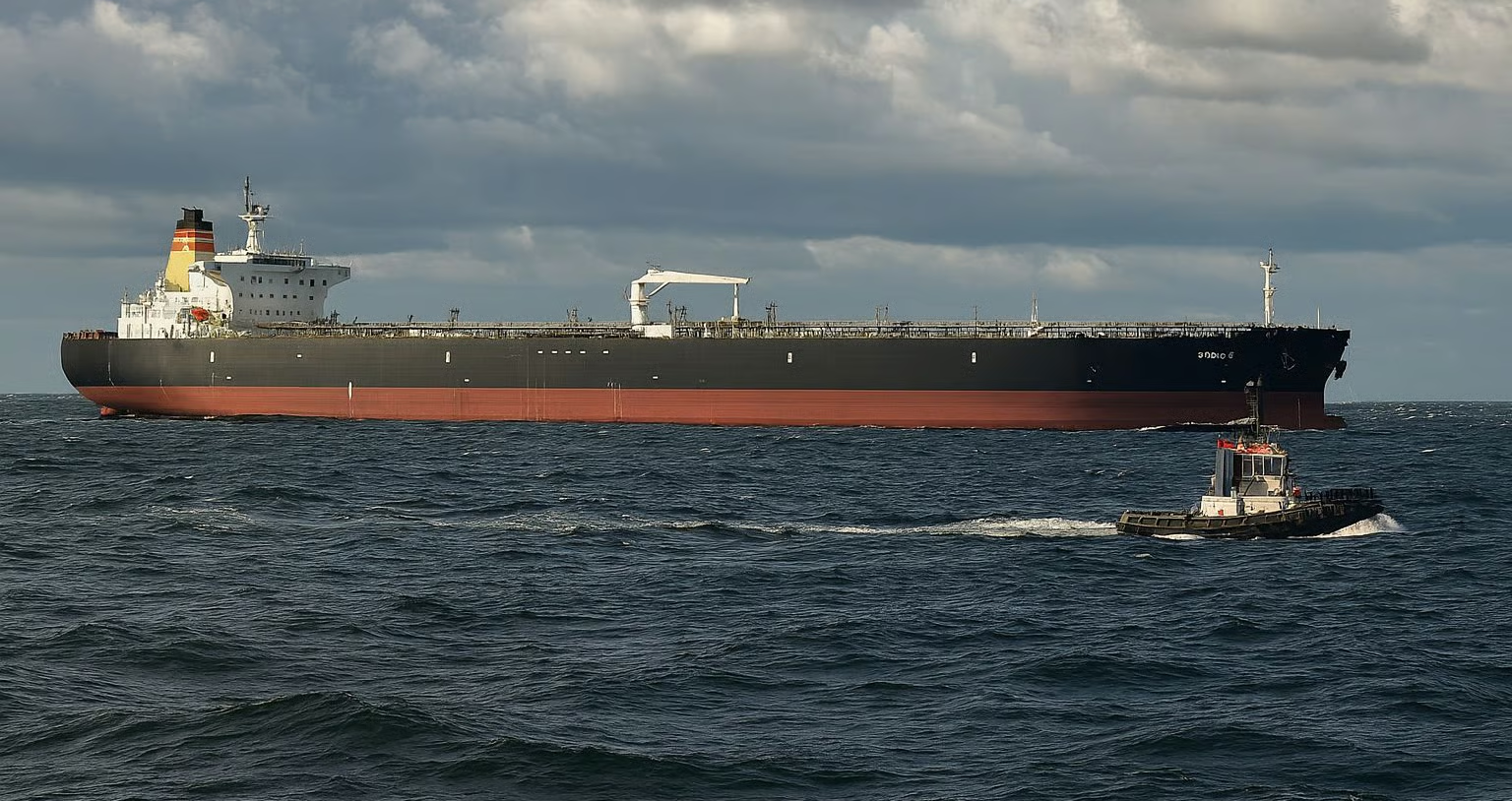
The European Union has announced new measures targeting Russia's shadow fleet of oil tankers, citing significant environmental and safety risks posed by these vessels operating outside international regulations.
Old, opaque tankers hauling sanctioned crude are more than a sanctions story. They're a spill-risk story. The European External Action Service (EEAS) wants more latitude to inspect and board ships tied to Russia's gray network. Reducing "dark" operations lowers collision and leakage risk in busy lanes; and tightens enforcement on carbon-intensive oil trades that undermine climate policy.
A draft maritime declaration would let EU countries, working with flag states, pre-authorize boardings of tankers linked to the "shadow fleet." The EEAS estimates that fleet between 600 and 1,400 vessels; Brussels has already sanctioned 400+ and expects to reach ~560 after the bloc's 19th sanctions package (targeted as soon as next week). The measure dovetails with an earlier G7 push to target enablers and fake flag registrations. The EU is also bringing forward its LNG import ban date to Jan. 1, 2027, and plans to hit bunkering (refuelling) services used by these tankers.
The inspection push matters for climate and safety economics. Shadow-fleet ships skew older, lack transparent insurance, and sometimes sail AIS-dark, elevating spill and collision probability. A single VLCC spill can run into billions in cleanup and fishery losses; costs that rarely show up in headline inflation but do show up in coastal GDP and sovereign risk models. The EU's move is a maritime-policy lever with climate externalities: every barrel kept inside compliant routes raises visibility, accountability, and pressure on upstream emissions, according to Reuters.