Last updated:
LearnNaturalCatastrophes.title
LearnNaturalCatastrophes.intro
LearnNaturalCatastrophes.introductionTitle
LearnNaturalCatastrophes.introP1
Geological Disasters
- Earthquakes
- Volcanic eruptions
- Tsunamis
- Landslides
- Avalanches
Meteorological Disasters
- Hurricanes/Cyclones
- Tornadoes
- Floods
- Droughts
- Heatwaves
Climatological Disasters
- Wildfires
- Extreme cold
- Blizzards
- Sea level rise
- Storm surges
LearnNaturalCatastrophes.earthquakesTitle
Overview
Earthquakes occur when tectonic plates shift, releasing energy that causes ground shaking. The Ring of Fire, encircling the Pacific Ocean, experiences 90% of the world's earthquakes. Approximately 500,000 earthquakes occur annually, though most are too small to feel.
Measurement
- Measured on Richter scale (magnitude)
- Modified Mercalli Intensity scale (effects)
- Moment magnitude scale (energy released)
- Magnitude 7+ considered major earthquakes
Risk Factors
- Tectonic plate boundaries
- Population density in seismic zones
- Building construction standards
- Early warning systems
Notable Earthquakes (21st Century)
2011 Tōhoku, Japan
Magnitude: 9.1
Impact: Triggered massive tsunami, nuclear disaster at Fukushima, 19,759 deaths, $360 billion damage
Significance: Most powerful earthquake in Japan's recorded history
2004 Indian Ocean
Magnitude: 9.1-9.3
Impact: Triggered devastating tsunami across 14 countries, 230,000+ deaths, $15 billion damage
Significance: Third-largest earthquake ever recorded
2010 Haiti
Magnitude: 7.0
Impact: 220,000+ deaths, 300,000+ injured, $8-14 billion damage
Significance: Deadliest earthquake in Western Hemisphere
2008 Sichuan, China
Magnitude: 7.9
Impact: 87,000+ deaths, 375,000+ injured, $150 billion damage
Significance: Most devastating earthquake in China since 1976
2015 Nepal
Magnitude: 7.8
Impact: 9,000+ deaths, 22,000+ injured, $10 billion damage
Significance: Worst natural disaster in Nepal's modern history
LearnNaturalCatastrophes.hurricanesTitle
Overview
Tropical cyclones (hurricanes in Atlantic, typhoons in Pacific, cyclones in Indian Ocean) form over warm ocean waters and can cause devastating wind, storm surge, and flooding damage. They are classified by wind speed using the Saffir-Simpson scale (Category 1-5).

Formation Requirements
- Sea surface temperature >26.5°C (80°F)
- Warm, moist air
- Low wind shear
- Coriolis effect (away from equator)
Climate Change Impact
- Warmer oceans fuel stronger storms
- Sea level rise increases storm surge
- Slower-moving storms cause more flooding
- Expanded tropical storm zones
Notable Storms (21st Century)
Hurricane Katrina (2005)
Category: 5 at peak, 3 at landfall
Impact: 1,833 deaths, $125 billion damage, New Orleans flooding
Significance: Costliest natural disaster in U.S. history at time
Hurricane Harvey (2017)
Category: 4
Impact: 107 deaths, $125 billion damage, record rainfall (60+ inches)
Significance: Wettest tropical cyclone in U.S. history
Typhoon Haiyan (2013)
Category: 5 (strongest landfall on record)
Impact: 6,300+ deaths, $2.86 billion damage, Philippines
Significance: One of strongest tropical cyclones ever recorded
Hurricane Maria (2017)
Category: 5
Impact: 3,000+ deaths in Puerto Rico, $91 billion damage
Significance: Devastated Puerto Rico's infrastructure
Hurricane Ian (2022)
Category: 4
Impact: 161 deaths, $113 billion damage, Florida
Significance: Costliest hurricane in Florida's history
LearnNaturalCatastrophes.floodsTitle
Overview
Floods are the most common natural disaster, affecting more people globally than any other catastrophe. They can result from heavy rainfall, storm surges, snowmelt, dam failures, or rapid ice jams. Climate change is increasing flood frequency and intensity in many regions.
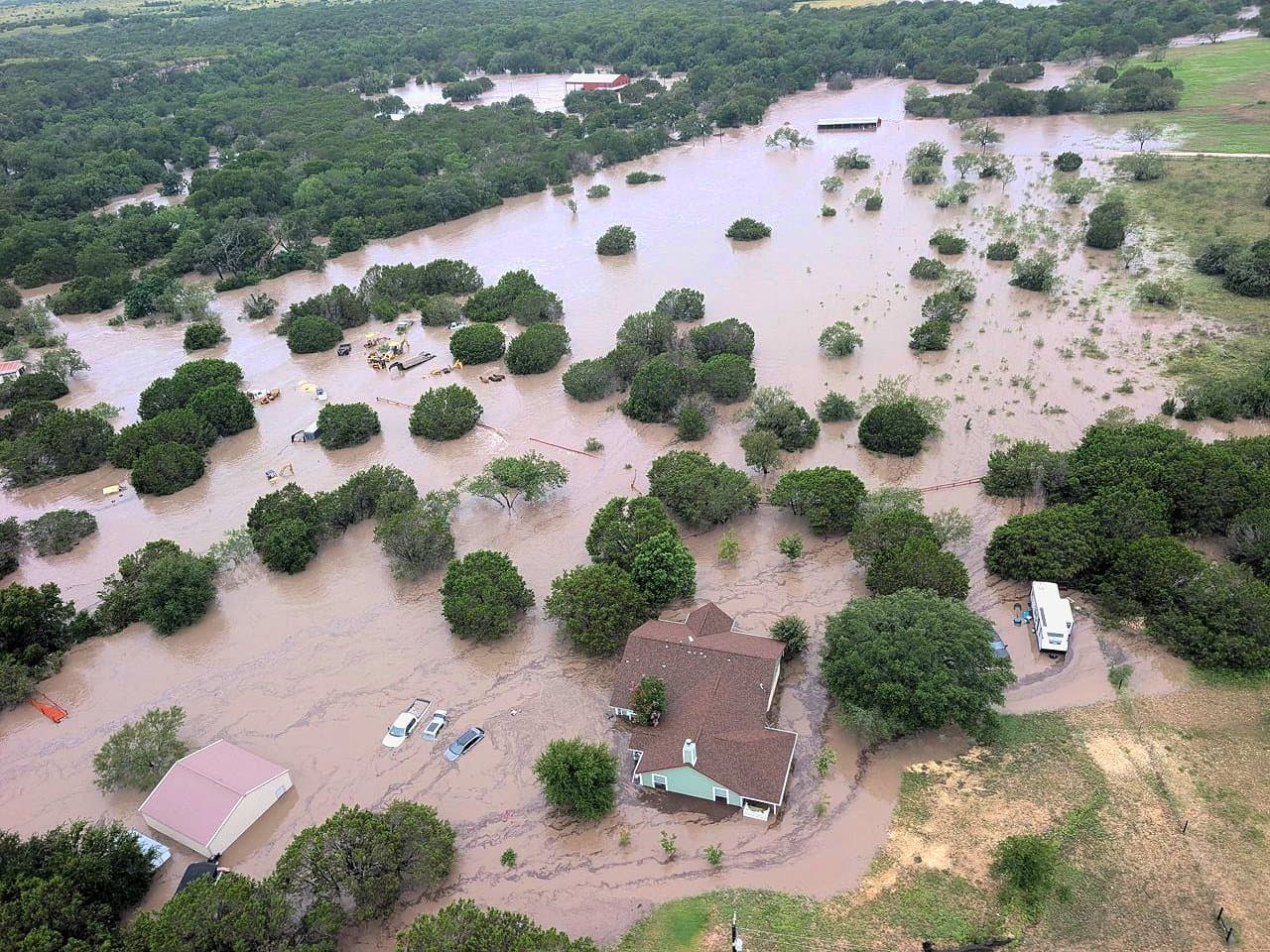
Types of Floods
- Flash floods (rapid onset)
- River floods (gradual)
- Coastal floods (storm surge)
- Urban floods (poor drainage)
Risk Mitigation
- Floodplain mapping and zoning
- Early warning systems
- Infrastructure improvements
- Wetland restoration
Major Flood Events (21st Century)
2022 Pakistan Floods
Impact: 1,700+ deaths, 33 million affected, $15 billion damage
Significance: Worst flooding in Pakistan's history, one-third of country underwater
2021 Germany/Belgium Floods
Impact: 240+ deaths, $43 billion damage
Significance: Deadliest European flood in decades
2011 Thailand Floods
Impact: 800+ deaths, $46 billion damage
Significance: Costliest disaster in Thailand's history
2023 Libya Floods
Impact: 11,000+ deaths from dam collapse, Derna devastated
Significance: Catastrophic dam failure during Storm Daniel
2020 China Floods
Impact: 200+ deaths, $32 billion damage, 63 million affected
Significance: Worst flooding in China since 1998
LearnNaturalCatastrophes.wildfiresTitle
Overview
Wildfires have increased in frequency and intensity due to climate change, drought, and human activities. They cause extensive damage to ecosystems, property, and air quality. Fire seasons are becoming longer and more severe globally.
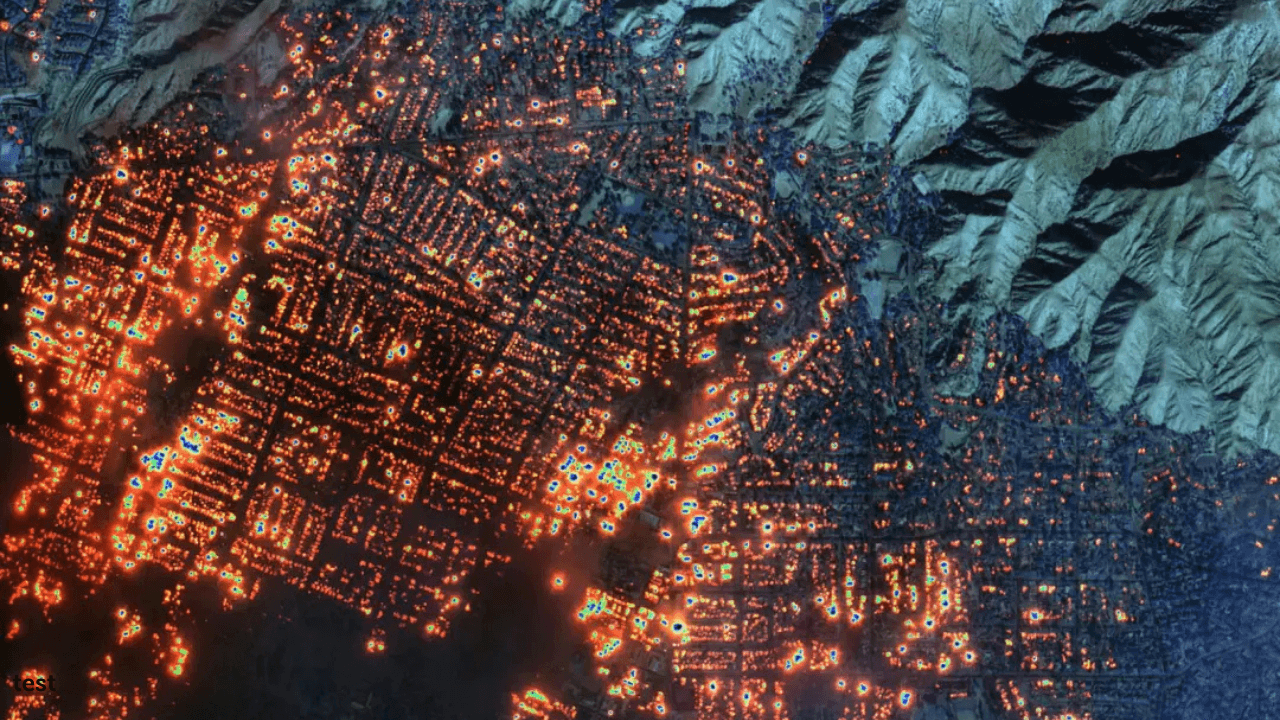
Contributing Factors
- Rising temperatures and drought
- Longer fire seasons
- Urban-wildland interface expansion
- Forest management practices
- Lightning and human ignition
Impacts
- Ecosystem destruction
- Air quality degradation
- Property and infrastructure loss
- Wildlife habitat destruction
- Carbon emissions
Recent Major Fires
2023 Canada Wildfires
Impact: 18 million hectares burned, worst season on record, air quality affected across North America
Significance: Largest area burned in Canadian history
2019-2020 Australia Bushfires
Impact: 18 million hectares, 3 billion animals affected, 34 deaths, $4.4 billion damage
Significance: Most severe fire season in Australian history
2020 California Wildfires
Impact: 4.3 million acres, 33 deaths, $12 billion damage
Significance: Largest wildfire season in California history
2021 Greece/Turkey Fires
Impact: 1.2 million acres, 100+ deaths, thousands displaced
Significance: Worst fires in decades for both countries
2023 Hawaii (Maui) Fires
Impact: 100+ deaths, $6 billion damage, Lahaina destroyed
Significance: Deadliest U.S. wildfire in over 100 years
LearnNaturalCatastrophes.volcanicTitle
Overview
There are approximately 1,500 active volcanoes worldwide, with 50-70 erupting annually. Major eruptions can affect global climate and cause significant regional damage through lava flows, ash fall, pyroclastic flows, and lahars.
Hazards
- Pyroclastic flows (deadly hot gas and ash)
- Ash fall and lahars (mudflows)
- Volcanic gases (toxic)
- Tsunamis from eruptions
- Climate effects from aerosols
Volcanic Explosivity Index (VEI)
- VEI 0-2: Small eruptions
- VEI 3-4: Moderate eruptions
- VEI 5-6: Large eruptions
- VEI 7-8: Super eruptions (rare)
Notable Eruptions
2022 Hunga Tonga-Hunga Ha'apai
VEI: 5-6
Impact: Largest explosion since Krakatoa, global atmospheric effects, tsunamis
Significance: Most powerful eruption of 21st century
2010 Eyjafjallajökull, Iceland
VEI: 4
Impact: Disrupted European air travel for weeks, $5 billion economic impact
Significance: Massive disruption to global aviation
1991 Mount Pinatubo, Philippines
VEI: 6
Impact: Global temperature drop of 0.5°C, 800+ deaths
Significance: Second-largest eruption of 20th century
1980 Mount St. Helens, USA
VEI: 5
Impact: 57 deaths, $1 billion damage, massive ash cloud
Significance: Most destructive U.S. volcanic event
1883 Krakatoa, Indonesia
VEI: 6
Impact: 36,000+ deaths, global climate impact, heard 3,000 miles away
Significance: One of most violent eruptions in recorded history
LearnNaturalCatastrophes.droughtsTitle
Overview
Droughts are slow-onset disasters that can last for years, affecting agriculture, water supply, and ecosystems. Climate change is increasing drought frequency and severity in many regions, particularly in arid and semi-arid areas.
Types of Drought
- Meteorological (precipitation deficit)
- Agricultural (soil moisture)
- Hydrological (water supply)
- Socioeconomic (human impact)
Impacts
- Crop failures and food insecurity
- Water scarcity and conflicts
- Wildfire risk increase
- Ecosystem degradation
Recent Major Droughts
2020-2023 Western U.S. Drought
Impact: Worst drought in 1,200 years, severe water shortages, agricultural losses
Significance: Most severe megadrought in region's history
2022 Horn of Africa Drought
Impact: 5 consecutive failed rainy seasons, 20+ million facing food insecurity
Significance: Worst drought in 40 years, humanitarian crisis
2018-2020 Australia Drought
Impact: Severe agricultural impacts, water restrictions, bushfire conditions
Significance: Driest period on record for parts of Australia
2021-2023 Europe Drought
Impact: Record-breaking heat and dryness, river levels at historic lows
Significance: Worst drought in 500 years for some regions
2015-2017 Cape Town "Day Zero"
Impact: Near-complete water supply failure, severe restrictions
Significance: First major city to nearly run out of water
LearnNaturalCatastrophes.tsunamisTitle
Overview
Tsunamis are series of ocean waves caused by underwater earthquakes, volcanic eruptions, landslides, or meteorite impacts. They can travel across entire ocean basins at speeds up to 500 mph, causing devastating coastal destruction.
Causes
- Underwater earthquakes (most common)
- Volcanic eruptions
- Submarine landslides
- Meteorite impacts (rare)
Warning Systems
- Pacific Tsunami Warning Center
- Deep-ocean buoys (DART)
- Seismic monitoring networks
- Coastal sirens and alerts
Notable Tsunamis
2004 Indian Ocean Tsunami
Trigger: 9.1-9.3 magnitude earthquake
Impact: 230,000+ deaths across 14 countries, $15 billion damage
Significance: Deadliest tsunami in recorded history
2011 Tōhoku Tsunami, Japan
Trigger: 9.1 magnitude earthquake
Impact: 19,759 deaths, nuclear disaster, waves up to 40 meters
Significance: Most expensive natural disaster in history
2018 Palu Tsunami, Indonesia
Trigger: 7.5 magnitude earthquake and landslide
Impact: 4,340+ deaths, waves up to 6 meters
Significance: Unusual landslide-generated tsunami
LearnNaturalCatastrophes.climateTitle
Climate change is intensifying many natural disasters. Rising global temperatures are causing:
Increased Frequency & Intensity
- Hurricanes: Warmer oceans fuel stronger storms with more rainfall
- Wildfires: Longer, hotter fire seasons with drier conditions
- Floods: More intense rainfall events and storm surges
- Droughts: Increased frequency and duration in many regions
- Heatwaves: More frequent and severe extreme heat events
New Patterns & Risks
- Sea Level Rise: Increases storm surge and coastal flooding
- Expanded Zones: Tropical storms occurring in new regions
- Compound Events: Multiple disasters occurring simultaneously
- Slow-Onset Disasters: Gradual changes becoming catastrophic
- Ecosystem Shifts: Changing patterns affecting disaster risk
LearnNaturalCatastrophes.statisticsTitle
Economic Impact
- Annual disaster losses: $200-300 billion globally
- Costliest disasters: Increasing over time
- Insurance claims: Rising significantly
- Infrastructure damage: Billions annually
Human Impact
- Annual deaths: 60,000-100,000 from natural disasters
- People affected: Hundreds of millions annually
- Displacement: Millions forced to relocate
- Vulnerable populations: Disproportionately affected
Frequency Trends
- Weather-related disasters: Increasing 5-7% annually
- Climate disasters: Doubled since 1990s
- Extreme events: More frequent globally
- Compound disasters: Increasing complexity
Regional Patterns
- Asia-Pacific: Most disaster-prone region
- Small Island States: Highly vulnerable
- Coastal Areas: Increasing risk from sea level rise
- Urban Areas: Growing exposure and vulnerability
LearnNaturalCatastrophes.conclusionTitle
LearnNaturalCatastrophes.conclusionP1
LearnNaturalCatastrophes.conclusionP2
The future will require integrated approaches combining scientific understanding, technological innovation, policy action, and community engagement to build resilience against the growing threat of natural catastrophes in a changing climate.
As natural catastrophes become more frequent and severe due to climate change, the importance of accurate risk assessment, early warning systems, and disaster preparedness cannot be overstated. Financial institutions, insurers, and governments must work together to develop comprehensive strategies that not only respond to disasters but also proactively manage risk through better planning, infrastructure investment, and community resilience building.