Last updated:
Endangered Animals
LearnEndangeredAnimals.intro
LearnEndangeredAnimals.introductionTitle
LearnEndangeredAnimals.introP1
Critically Endangered
Extremely high risk of extinction. Population declines of 80-90% over 10 years, fewer than 50 mature individuals, or extremely restricted range.
Endangered
Very high risk of extinction. Significant decline (50-70%), restricted range, or small population (less than 250 mature individuals).
Vulnerable
High risk of extinction but less immediate. Threatened by habitat loss, climate change, or other factors that could push them to Endangered status.
LearnEndangeredAnimals.criticallyEndangeredTitle
Africa
Northern White Rhino (Ceratotherium simum cottoni)
Population: Functionally extinct; only 2 individuals remain (both female) in guarded conservation zones
Range: Formerly Central Africa, now only in Ol Pejeta Conservancy, Kenya
Threats: Poaching for horn, habitat loss, political instability
Conservation: Last-ditch efforts using in-vitro fertilization; subspecies may be lost
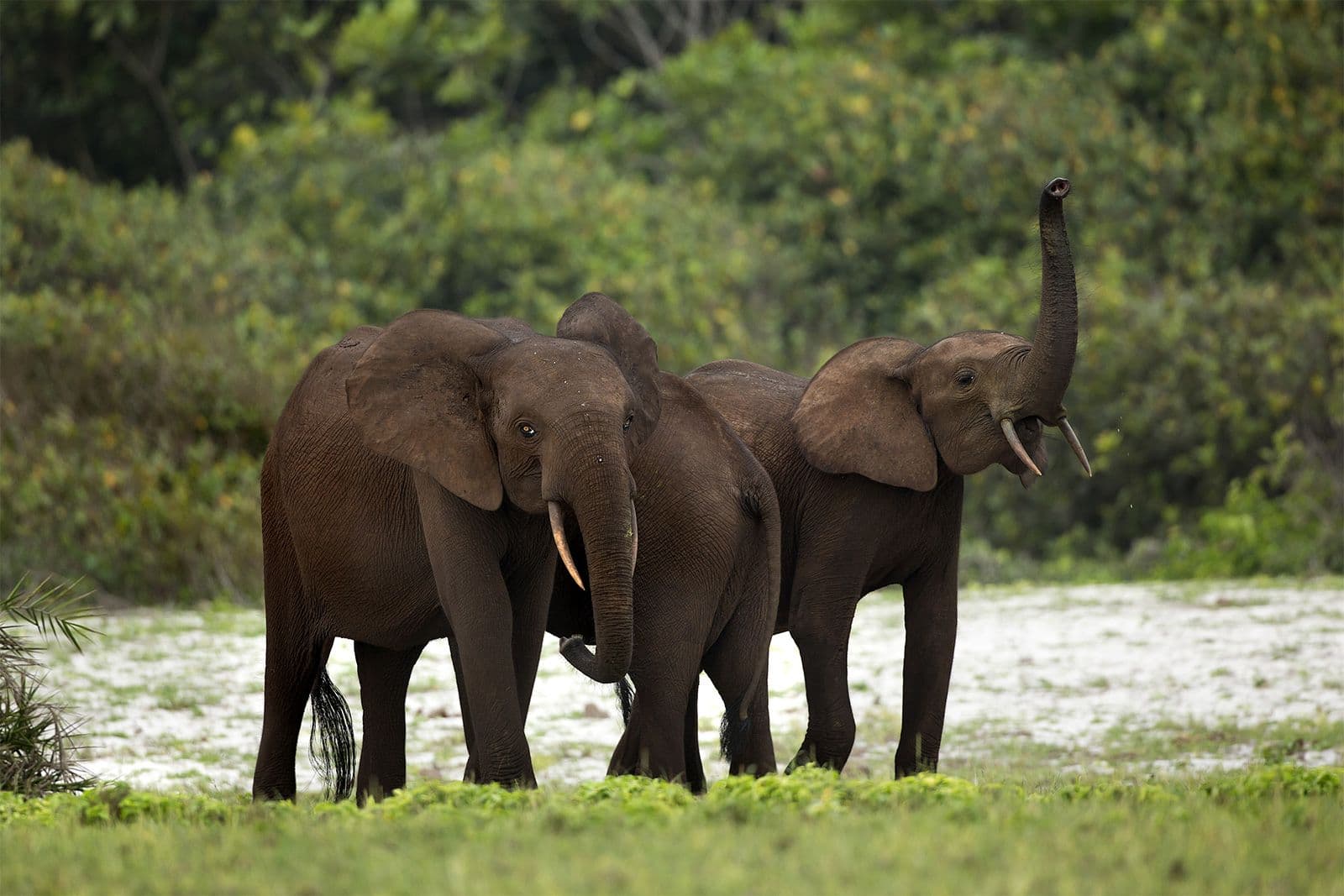
African Forest Elephant (Loxodonta cyclotis)
Population: ~95,000 individuals (declined by 86% over 31 years)
Range: Central and West African rainforests
Threats: Poaching for ivory, habitat loss, human-wildlife conflict
Conservation: Protected areas, anti-poaching patrols, international ivory trade bans
Black Rhino (Diceros bicornis)
Population: ~6,200 individuals (recovering from ~2,500 in 1990s)
Range: Eastern and Southern Africa
Threats: Poaching for horn, habitat loss
Conservation: Intensive protection in reserves, some populations recovering
Cross River Gorilla (Gorilla gorilla diehli)
Population: ~250-300 individuals
Range: Nigeria-Cameroon border region
Threats: Habitat loss, hunting, human-wildlife conflict
Conservation: Protected areas, community-based conservation programs
Asia
Javan Rhino (Rhinoceros sondaicus)
Population: ~70-80 individuals
Range: Ujung Kulon National Park, Java, Indonesia (only remaining population)
Threats: Habitat loss, poaching, natural disasters, disease
Conservation: Strict protection, habitat expansion efforts, monitoring
Sumatran Rhino (Dicerorhinus sumatrensis)
Population: ~30-80 individuals (severely fragmented)
Range: Small pockets in Sumatra and Borneo, Indonesia
Threats: Habitat loss, poaching, isolation of small populations
Conservation: Captive breeding programs, protected areas, translocation efforts
Amur Leopard (Panthera pardus orientalis)
Population: ~80-100 individuals
Range: Russian Far East and Northeast China
Threats: Habitat fragmentation, poaching, prey loss, inbreeding
Conservation: Protected areas, anti-poaching, prey restoration, reintroduction programs
Tapanuli Orangutan (Pongo tapanuliensis)
Population: ~800 individuals
Range: Batang Toru ecosystem, North Sumatra, Indonesia
Threats: Deforestation, logging, agricultural conversion, infrastructure development
Conservation: Habitat protection, forest restoration, community engagement
Sumatran Tiger (Panthera tigris sumatrae)
Population: ~400-500 individuals
Range: Sumatra, Indonesia
Threats: Deforestation, poaching, human-wildlife conflict
Conservation: Protected areas, anti-poaching patrols, conflict mitigation

Chinese Pangolin (Manis pentadactyla)
Population:Severe decline (>80% in 21 years)
Range: Southern China, Southeast Asia
Threats: Poaching for scales and meat, habitat loss
Conservation: Trade bans, protected area enforcement, rescue and rehabilitation
Saola (Pseudoryx nghetinhensis)
Population: Unknown, possibly fewer than 100
Range: Vietnam-Laos border region
Threats: Snaring, illegal wildlife trade, habitat loss
Conservation: Protected areas, snare removal, research and monitoring
Yangtze Finless Porpoise (Neophocaena asiaeorientalis)
Population: ~1,000-1,800 individuals
Range: Yangtze River, China
Threats: River traffic, pollution, habitat fragmentation, overfishing
Conservation: Protected areas, fishing restrictions, pollution control
Americas
Vaquita (Phocoena sinus)
Population: Fewer than 10 individuals (possibly 6-8)
Range: Upper Gulf of California, Mexico
Threats: Bycatch in illegal gillnet fishing for totoaba, very small range
Conservation: Strict protection, gillnet bans, marine sanctuary, last-ditch rescue efforts
California Condor (Gymnogyps californianus)
Population: ~500+ individuals (recovered from 27 in 1987)
Range: California, Arizona, Utah, Baja California
Threats: Lead poisoning, habitat loss, microtrash ingestion
Conservation: Captive breeding, reintroduction, lead ammunition bans, pollution control
Red Wolf (Canis rufus)
Population: ~20-30 in wild, ~250 in captivity
Range: North Carolina, USA (reintroduced population)
Threats: Hybridization with coyotes, habitat loss, human persecution
Conservation: Reintroduction programs, captive breeding, habitat protection
Jamaican Iguana (Cyclura collei)
Population: ~500-600 mature individuals
Range: Hellshire Hills, Jamaica
Threats: Invasive predators (mongoose), habitat destruction (charcoal production)
Conservation: Head-start programs, habitat protection, predator control
Rice's Whale (Balaenoptera ricei)
Population: ~50 individuals or fewer
Range: Gulf of Mexico
Threats: Ship strikes, oil spills, noise pollution, climate change
Conservation: Protected habitat, ship speed restrictions, research and monitoring
Marine Species
Hawksbill Sea Turtle (Eretmochelys imbricata)
Population: Declined by 80% in last century
Range: Tropical and subtropical oceans worldwide
Threats: Shell trade, loss of nesting beaches, pollution, bycatch
Conservation: Protected nesting sites, trade bans, bycatch reduction, marine protected areas
Kemp's Ridley Sea Turtle (Lepidochelys kempii)
Population: ~7,000-9,000 nesting females (recovering from ~200 in 1980s)
Range: Gulf of Mexico, Atlantic coast
Threats: Bycatch, habitat loss, pollution, climate change
Conservation: Protected nesting beaches, bycatch reduction, head-start programs
North Atlantic Right Whale (Eubalaena glacialis)
Population: ~350 individuals
Range: North Atlantic Ocean
Threats: Ship strikes, entanglement in fishing gear, noise pollution
Conservation: Ship speed restrictions, gear modifications, protected areas
Sunflower Sea Star (Pycnopodia helianthoides)
Population:Declined by >80-90% due to sea star wasting disease
Range: Pacific coastline (California, Washington, Oregon)
Threats: Sea star wasting disease, warming waters, habitat loss
Conservation: Captive breeding and restoration, habitat monitoring
LearnEndangeredAnimals.endangeredTitle
Africa
African Wild Dog (Lycaon pictus)
Population: ~6,600 individuals
Threats: Habitat fragmentation, human-wildlife conflict, disease
Cheetah (Acinonyx jubatus)
Population: ~7,000 individuals
Threats: Habitat loss, human-wildlife conflict, prey loss
Lion (Panthera leo)
Population: ~20,000-25,000 individuals
Threats: Habitat loss, human-wildlife conflict, trophy hunting
Mountain Gorilla (Gorilla beringei beringei)
Population: ~1,063 individuals (increasing)
Threats: Habitat loss, disease, political instability
Asia
Asian Elephant (Elephas maximus)
Population: ~40,000-50,000 individuals
Threats: Habitat fragmentation, human-elephant conflict, poaching
Sumatran Elephant (Elephas maximus sumatranus)
Population: ~2,400-2,800 individuals
Threats: Deforestation, habitat fragmentation, human conflict
Indochinese Tiger (Panthera tigris corbetti)
Population: ~350 individuals
Threats: Poaching, habitat loss, prey depletion
Red Panda (Ailurus fulgens)
Population: ~10,000 individuals
Threats: Habitat fragmentation, poaching, climate change
Snow Leopard (Panthera uncia)
Population: ~4,000-6,500 individuals
Threats: Poaching, habitat loss, climate change, prey loss
Gharial (Gavialis gangeticus)
Population: ~650 adults
Threats: River pollution, dam construction, habitat loss
Americas
Blue Whale (Balaenoptera musculus)
Population: ~5,000-15,000 individuals (recovering)
Threats: Ship strikes, entanglement, climate change
Sea Otter (Enhydra lutris)
Population: ~150,000 individuals (recovering)
Threats: Oil spills, entanglement, disease, habitat degradation
Jaguar (Panthera onca)
Population: ~173,000 individuals
Threats: Habitat loss, human-wildlife conflict, poaching
Giant Anteater (Myrmecophaga tridactyla)
Population: Declining, exact numbers unknown
Threats: Habitat loss, road mortality, fires
Marine Species
Leatherback Sea Turtle (Dermochelys coriacea)
Population: Declining globally
Threats: Bycatch, illegal trade, pollution, climate change
Hawaiian Monk Seal (Neomonachus schauinslandi)
Population: ~1,500 individuals
Threats: Entanglement, habitat disturbance, disease
Great White Shark (Carcharodon carcharias)
Population: Declining, exact numbers unknown
Threats: Overfishing, bycatch, habitat degradation
Ganges River Dolphin (Platanista gangetica)
Population: ~3,500 individuals
Threats: Pollution, dam construction, habitat loss
LearnEndangeredAnimals.vulnerableTitle
Giant Panda (Ailuropoda melanoleuca)
Population: ~1,800 individuals (recovering)
Status: Moved from Endangered to Vulnerable
Koala (Phascolarctos cinereus)
Population: Declining
Threats: Bushfires, deforestation, climate stress
Polar Bear (Ursus maritimus)
Population: ~26,000 individuals
Threats: Climate change, sea ice loss
African Elephant (Loxodonta africana)
Population: ~415,000 individuals
Threats: Poaching, habitat loss
Iberian Lynx (Lynx pardinus)
Population: ~1,100+ (recovering from ~100)
Status: Moved from Critically Endangered to Vulnerable
Hippopotamus (Hippopotamus amphibius)
Population: ~115,000-130,000 individuals
Threats: Habitat loss, poaching, human-wildlife conflict
LearnEndangeredAnimals.threatsTitle
Habitat Loss & Fragmentation
Agriculture, logging, urbanization, and infrastructure development destroy and fragment habitats, making it difficult for species to find food, mates, and suitable living spaces.
Examples: Deforestation in Sumatra affecting orangutans, urban expansion threatening koalas
Poaching & Illegal Wildlife Trade
Hunting for ivory, horns, skins, and other body parts drives many species toward extinction. The illegal wildlife trade is worth billions annually.
Examples: Rhino horn trade, elephant ivory, pangolin scales
Climate Change
Rising temperatures, sea level rise, changing precipitation patterns, and ocean acidification alter habitats faster than many species can adapt.
Examples: Polar bear habitat loss, coral bleaching, amphibian declines
Pollution & Disease
Chemical pollution, plastic waste, and emerging diseases (like chytrid fungus in amphibians) threaten species worldwide.
Examples: Marine plastic pollution, pesticide impacts, disease outbreaks
Invasive Species
Non-native predators, competitors, and diseases introduced by humans can devastate native species that haven't evolved defenses.
Examples: Mongoose threatening Jamaican iguanas, feral cats on islands
Human-Wildlife Conflict
As human populations expand, conflicts with wildlife increase, leading to retaliatory killings and habitat destruction.
Examples: Elephant-crop conflicts, big cat-livestock conflicts
LearnEndangeredAnimals.successStoriesTitle
Iberian Lynx
Recovered from Critically Endangered (fewer than 100 individuals) to Vulnerable (1,100+ individuals) through captive breeding, reintroduction, habitat restoration, and rabbit population recovery.
Giant Panda
Moved from Endangered to Vulnerable after decades of conservation efforts including habitat protection, captive breeding, and forest restoration. Population increased from ~1,000 to ~1,800 individuals.
California Condor
Brought back from the brink of extinction (27 individuals in 1987) to over 500 individuals through intensive captive breeding, reintroduction programs, and pollution control measures.
Mountain Gorilla
Population increased from 680 in 2008 to 1,063 in 2018 through protected areas, anti-poaching efforts, veterinary care, and community-based conservation programs.
LearnEndangeredAnimals.statisticsTitle
Threatened Species by Group
- Cycads: ~71% threatened
- Reef-forming corals: ~44% threatened
- Amphibians: ~41% threatened
- Sharks and rays: ~38% threatened
- Mammals: ~27% threatened
- Birds: ~14% threatened
Overall Assessment
- Total assessed species: ~150,000+
- Threatened species: ~28-30% of assessed
- Critically Endangered: Thousands of species
- Extinct since 1500: 900+ species
- Extinct in the Wild: Dozens of species
LearnEndangeredAnimals.conclusionTitle
LearnEndangeredAnimals.conclusionP1
LearnEndangeredAnimals.conclusionP2
Every species plays a role in ecosystem health. The loss of biodiversity threatens not just individual species but entire ecosystems and the services they provide to humanity. The time to act is now, before more species join the ranks of the extinct.
Conservation efforts around the world are demonstrating that with dedicated resources, scientific knowledge, and community engagement, it is possible to reverse population declines and restore threatened species. The success stories of species recovery provide hope and a blueprint for protecting other endangered animals, showing that coordinated conservation action can make a meaningful difference in preserving Earth's biodiversity.