Last updated:
AI in Finance
How artificial intelligence and Dynamic intelligence inference models are revolutionizing banking, insurance, asset management, and risk assessment. AI is fundamentally transforming financial services, delivering faster, more precise decision-making and improved risk management.
Introduction
Artificial intelligence is fundamentally transforming the financial services industry, from algorithmic trading and fraud detection to risk assessment and customer service. AI systems use machine learning, natural language processing, computer vision, and advanced analytics to process vast amounts of data, identify patterns, and make predictions that were previously impossible.
Dynamic intelligence represents a new generation of inference-driven models that translate non-financial risks, climate, geopolitics, natural catastrophes, technology, and ESG factors, directly into financial impact and capital pricing. Unlike traditional data aggregation tools, these models reason over causal risk propagation, providing asset-level precision for better decision-making.
Core Applications
- Algorithmic trading
- Risk management
- Fraud detection
- Credit scoring
- Customer service
Key Benefits
- Improved accuracy
- Faster decisions
- Better risk pricing
- Cost reduction
- Enhanced compliance
Major Sectors
- Banking & lending
- Insurance
- Asset management
- Trading & markets
- Compliance & risk
Dynamic intelligence Models: Inference-Driven Risk Intelligence
Dynamic intelligence's models represent a paradigm shift from data aggregation to inference-driven risk intelligence. These models translate environmental, geopolitical, technological, and ESG risks directly into financial impact, providing asset-level precision for better capital allocation, risk pricing, and portfolio management.
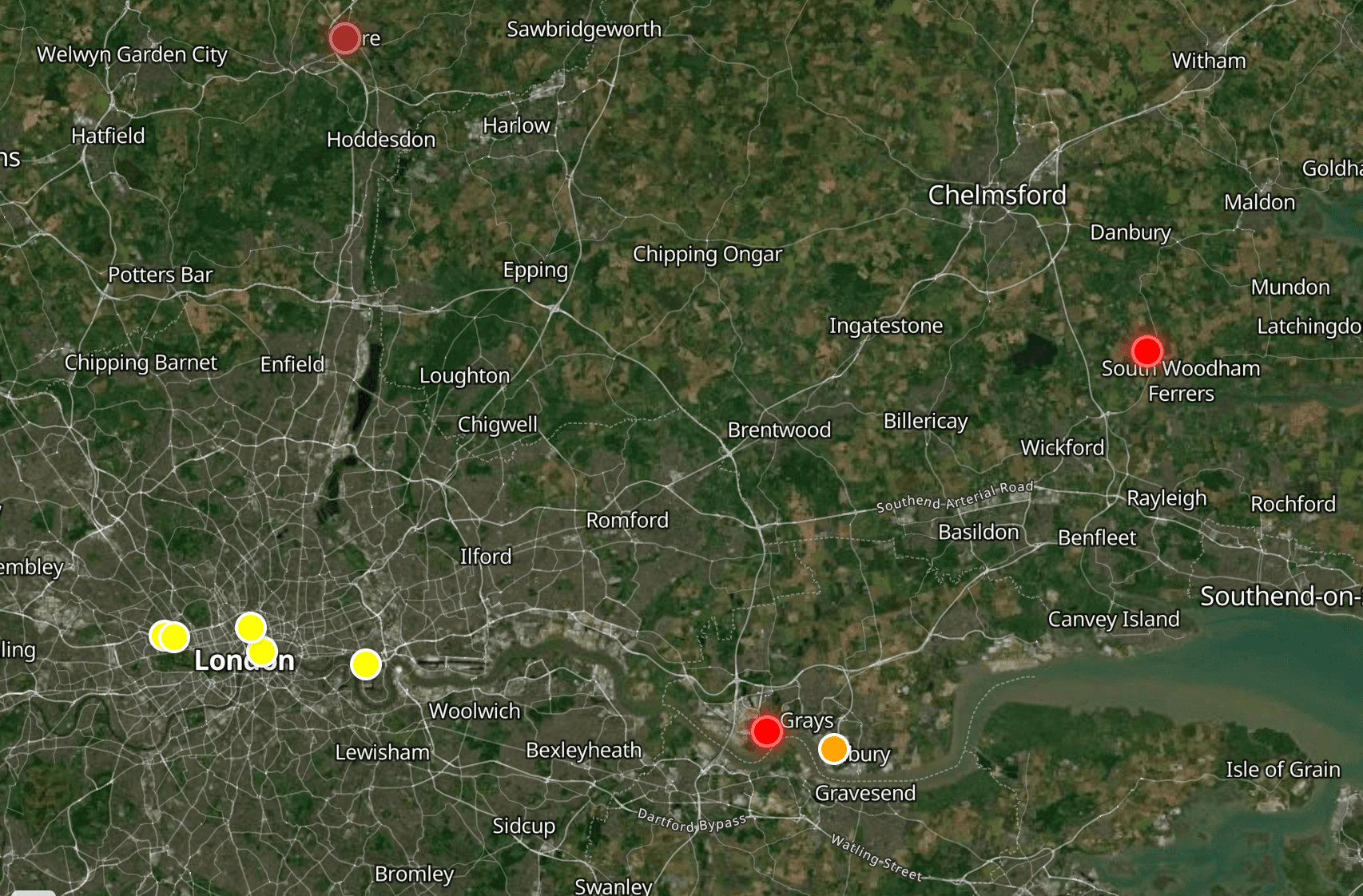
Lucid Climate-0
Purpose: AI-powered climate underwriting solutions for asset-level environmental risk assessment
Key Features
- Asset-level climate exposure identification
- Physical and transition risk modeling
- High precision compared to traditional ESG tools
- Real-time risk assessment
Financial Sectors
- Insurance underwriting
- Real estate risk assessment
- Asset management
- Infrastructure finance
Use Case: Insurance companies use Lucid Climate-0 to assess climate exposure for individual properties, enabling more accurate premium pricing and better risk pool management. Asset managers apply it for climate stress testing on real estate portfolios.
Policy Evergreen-0
Purpose: ESG risk and sustainability analysis across public and private firms
Key Features
- Multi-signal ESG assessments
- Firm and portfolio-level analysis
- Sustainability risk scoring
- Regulatory compliance tracking
Financial Sectors
- Responsible investing
- ESG fund management
- Corporate sustainability
- Green bond validation
Use Case: Asset managers use Policy Evergreen-0 to integrate ESG risks into investment decisions, ensuring portfolios align with sustainability mandates and regulatory requirements.
Geopolitics Axiom-0
Purpose: Geopolitical risk intelligence for country-level and macro exposure analysis
Key Features
- Country-level risk exposure
- Macro risk modeling
- Policy shift anticipation
- Sovereign risk assessment
Financial Sectors
- Sovereign debt analysis
- Global equity portfolios
- Foreign exchange exposure
- International trade finance
Use Case: Investment managers use Geopolitics Axiom-0 to assess geopolitical risks in international portfolios, helping anticipate policy shifts that affect asset returns and currency exposure.
Technology Tenet-0
Purpose: Technology risk inference small language model for assessing innovation, dependency, and defensibility risks
Key Features
- Technology innovation assessment
- Supply chain dependency analysis
- Defensibility risk evaluation
- Disruption prediction
Financial Sectors
- Venture capital investing
- Tech sector analysis
- Corporate risk management
- Supply chain finance
Use Case: Venture capital firms use Technology Tenet-0 to evaluate tech disruption risks in investments, while corporate finance teams assess technology dependency risks in supply chains.
NatCat Lighthouse-0
Purpose: Natural catastrophe risk inference small language model for hurricanes, earthquakes, floods, and wildfires
Key Features
- Real-time catastrophe risk inference
- Loss quantification and pricing
- Multi-hazard assessment
- Asset-level exposure modeling
Financial Sectors
- Insurance underwriting
- Catastrophe bonds (cat bonds)
- Infrastructure finance
- Reinsurance
Use Case: Insurance companies use NatCat Lighthouse-0 to underwrite catastrophe bonds and adjust premiums based on real-time natural disaster risk. Reinsurers apply it for portfolio-level risk assessment.
Banking & Lending
Credit Scoring & Underwriting
AI is revolutionizing credit assessment by integrating alternative data sources beyond traditional credit history, including education, employment patterns, spending behavior, and even social media signals.
Applications
- Alternative credit scoring models
- Real-time risk assessment
- Automated loan approvals
- ESG risk integration (Policy Evergreen-0)
- Technology risk assessment (Technology Tenet-0)
Benefits
- More inclusive credit access
- Reduced default rates
- Faster decision-making
- Lower operational costs
- Better risk pricing
Example: Companies like Upstart and Pagaya use AI to assess creditworthiness using non-traditional data, enabling loans for underserved populations while maintaining low default rates.
Fraud Detection & AML
AI systems monitor transactions in real-time to detect fraudulent patterns, money laundering, and other financial crimes, reducing false positives while catching sophisticated schemes.
- Real-time Transaction Monitoring: AI analyzes patterns to flag suspicious activity instantly
- Behavioral Biometrics: Identifies users based on typing patterns, mouse movements, and device usage
- Anomaly Detection: Machine learning models identify unusual patterns that indicate fraud
- AML Compliance: Automated systems screen transactions against sanctions lists and detect money laundering
- Deepfake Detection: AI identifies synthetic identities and fraudulent documentation
Example: Banks like HSBC use AI for AML monitoring across massive transaction volumes, processing millions of transactions daily to identify suspicious patterns.
Customer Service & Personalization
AI-powered chatbots and virtual assistants provide 24/7 customer support, personalized financial advice, and proactive account management.
- Virtual Assistants: Bank of America's Erica handles millions of customer interactions
- Personalized Recommendations: AI suggests products based on spending patterns and goals
- Spending Analysis: Identifies subscription issues, overspending, and savings opportunities
- Automated Support: Handles routine inquiries, freeing human agents for complex issues
Insurance & Underwriting
Natural Catastrophe Risk Modeling
Dynamic intelligence's NatCat Lighthouse-0 enables insurance companies to assess natural catastrophe risks at the asset level, providing precise loss quantification and pricing for hurricanes, earthquakes, floods, and wildfires.
Applications
- Property insurance pricing
- Catastrophe bond underwriting
- Reinsurance portfolio assessment
- Real-time risk monitoring
- Loss estimation and reserves
Benefits
- More accurate premium pricing
- Better risk pool management
- Improved regulatory capital reserves
- Enhanced tail risk modeling
- Real-time exposure updates
Climate Risk Underwriting
Lucid Climate-0 provides asset-level climate exposure assessment, enabling insurers to price physical and transition risks accurately.
- Physical Risk: Assesses exposure to extreme weather, sea level rise, and climate events
- Transition Risk: Evaluates risks from policy changes, carbon pricing, and market shifts
- Asset-Level Precision: Provides property-specific risk assessments
- Portfolio Stress Testing: Enables climate scenario analysis across insurance portfolios
Usage-Based Insurance & Telematics
AI analyzes real-time data from sensors, weather systems, and claims to create more granular insurance products and pricing models.
- Telematics: Real-time driving behavior analysis for auto insurance
- IoT Integration: Smart home sensors for property insurance
- Dynamic Pricing: Premiums adjust based on real-time risk factors
- Claims Automation: AI processes claims faster with fraud detection
Asset Management & Investment
Algorithmic Trading & Market Forecasting
AI processes real-time and historical data, prices, news sentiment, macro indicators, and geopolitical events, to identify trading signals and execute decisions automatically.
Applications
- High-frequency trading
- Sentiment analysis
- Event detection
- Geopolitical risk integration (Geopolitics Axiom-0)
- Technology risk assessment (Technology Tenet-0)
Benefits
- Faster execution
- Reduced human bias
- Better risk-adjusted returns
- 24/7 market monitoring
Portfolio Optimization & Risk Management
AI enables sophisticated portfolio construction, risk allocation, and dynamic rebalancing based on multiple risk factors including climate, geopolitics, and technology.
- Multi-Factor Risk Models: Integrates climate (Lucid Climate-0), ESG (Policy Evergreen-0), and geopolitical risks
- Robo-Advisors: Automated portfolio management for retail investors
- Stress Testing: AI models test portfolios against various scenarios
- Dynamic Rebalancing: Automatic adjustments based on risk changes
- Downside Protection: Better risk-adjusted returns through AI-driven hedging
ESG & Sustainable Investing
Policy Evergreen-0 enables asset managers to integrate ESG risks into investment decisions, ensuring portfolios align with sustainability mandates and regulatory requirements.
- ESG Scoring: Multi-signal assessments at firm and portfolio levels
- Sustainability Reporting: Automated ESG data collection and analysis
- Green Bond Validation: AI verifies environmental impact claims
- Carbon Exposure Measurement: Quantifies portfolio carbon footprint
- Nature-Related Risks: Assesses biodiversity and deforestation exposure
Risk Management & Compliance
Enterprise Risk Management
AI systems forecast systemic risks, integrate multiple risk domains, and provide real-time risk monitoring across climate, geopolitical, technological, and market factors.
Dynamic intelligence Model Integration
- Geopolitics Axiom-0 for macro risk
- Lucid Climate-0 for climate stress
- Technology Tenet-0 for tech risk
- NatCat Lighthouse-0 for catastrophe risk
- Policy Evergreen-0 for ESG risk
Benefits
- Comprehensive risk view
- Real-time monitoring
- Early warning systems
- Regulatory compliance
Regulatory Compliance & Reporting
AI automates regulatory reporting, monitors compliance, and ensures adherence to evolving regulations including the EU AI Act and other financial regulations.
- Automated Reporting: AI generates regulatory filings and compliance reports
- KYC/AML: Automated customer due diligence and transaction monitoring
- Model Risk Management: AI governance, validation, and audit trails
- Regulatory Change Monitoring: Tracks and adapts to new regulations
- Explainability: Ensures AI decisions can be explained to regulators
Fintech & Payments
Payment Fraud Detection
AI systems monitor transactions in real-time to detect fraudulent patterns, reducing false positives while catching sophisticated fraud schemes.
- Real-time Risk Scoring: AI evaluates each transaction instantly
- Behavioral Analysis: Identifies unusual spending patterns
- Device Fingerprinting: Detects suspicious device usage
- Network Analysis: Identifies fraud rings and organized crime
Digital Banking & Personalization
AI powers personalized financial products, automated savings, and intelligent financial advice through mobile apps and digital platforms.
- Personalized Products: AI recommends products based on user behavior
- Automated Savings: AI identifies opportunities to save money
- Budget Management: Intelligent categorization and spending insights
- Investment Advice: AI-powered robo-advisors for retail investors
Challenges, Risks & Considerations
Model Risk & Explainability
AI models, especially deep learning and agentic systems, can behave opaquely or unpredictably. Financial institutions must ensure models are explainable, auditable, and conceptually sound.
- Model Governance: Robust validation, audit, and oversight frameworks
- Explainability: Ability to explain decisions to regulators and users
- Documentation: Comprehensive model documentation and audit trails
- Conceptual Soundness: Models must align with financial theory and business logic
Bias & Fairness
AI systems can inadvertently encode biases from training data, leading to unfair outcomes in credit scoring, insurance pricing, and other financial decisions.
- Data Bias: Training data may reflect historical discrimination
- Algorithmic Bias: Models may perpetuate or amplify biases
- Fairness Testing: Regular audits for discriminatory outcomes
- Regulatory Compliance: Adherence to fair lending and equal opportunity laws
Regulatory Environment
Financial AI applications face increasing regulatory scrutiny, with frameworks like the EU AI Act classifying many uses as "high-risk" requiring transparency, oversight, and human review.
- EU AI Act: High-risk classification for credit scoring, insurance pricing
- Transparency Requirements: Disclosure of AI use in decision-making
- Human Oversight: Mandatory human review for critical decisions
- Data Privacy: GDPR and other privacy regulations
Cybersecurity & Adversarial Risks
AI systems themselves can be targets for attacks, including adversarial inputs, data poisoning, and deepfake-based fraud.
- Adversarial Attacks: Manipulated inputs to fool AI systems
- Data Poisoning: Corrupted training data affecting model performance
- Deepfake Fraud: Synthetic identities and fraudulent documentation
- Model Theft: Intellectual property protection for AI models
Future Trends & Emerging Applications
Agentic AI Systems
Autonomous AI agents handling end-to-end tasks, from risk modeling to model risk management, setting new standards for autonomy and oversight in financial operations.
Generative AI for Documentation
AI systems drafting regulatory filings, summarizing complex reports, and generating customer disclosures, reducing manual work and improving consistency.
Real-Time Multi-Domain Risk Monitoring
Integrated dashboards combining weather, climate, geopolitical, and market risks in real-time, enabling faster response to emerging threats.
AI & Sustainable Finance
AI validation and verification for green bonds, renewable energy projects, and carbon markets, ensuring environmental impact claims are accurate.
The Future of AI in Finance
AI is fundamentally transforming financial services, delivering on promises of faster, more precise decision-making, better customer experience, and improved risk management. Dynamic intelligence's inference-driven models represent a paradigm shift toward integrating non-financial risks, climate, geopolitics, technology, and ESG, directly into financial decision processes.
Across banking, insurance, asset management, fintech, and compliance, AI adoption is accelerating. However, the risks, ethical, regulatory, operational, are real and require careful governance, transparency, and human oversight.
As financial institutions navigate this transformation, the integration of inference-first models like Dynamic intelligence's with traditional financial analysis will become essential for competitive advantage, regulatory compliance, and sustainable growth in an increasingly complex and interconnected world.
The convergence of AI capabilities with Dynamic intelligence's specialized risk models is creating unprecedented opportunities for financial institutions to gain deeper insights into non-financial risks that were previously difficult to quantify. By leveraging models like Lucid Climate-0 for climate exposure, Policy Evergreen-0 for ESG factors, and Geopolitics Axiom-0 for geopolitical risks, financial institutions can now make more informed decisions that account for the full spectrum of risks affecting their portfolios and operations.